Visiting Ottawa on a Budget: Smart Ways to Save Money in Canada’s Capital
Categories: Tours & TripsPublished On: March 13, 2026

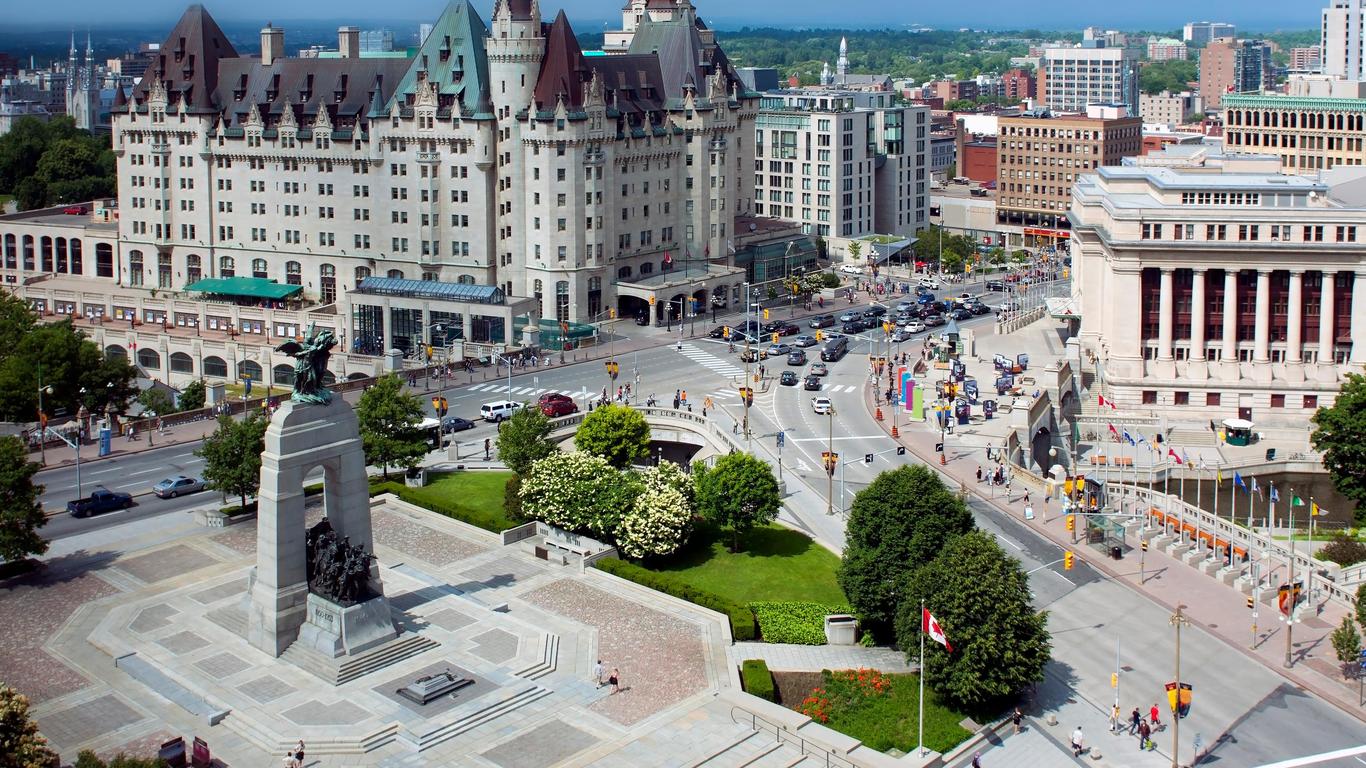
Ottawa is a great city for travelers who want history, culture, and good food without the higher costs that often come with bigger Canadian destinations. It has beautiful public spaces, major museums, walkable central neighborhoods, and enough free or low-cost things to do that a trip here can feel full without feeling expensive.

What I like about Ottawa for budget travel is that it is easy to keep things simple. You do not need a car, you do not need to spend money every hour, and you can still enjoy some of the city’s most memorable areas even if you are watching your budget carefully.

Quick Facts About Visiting Ottawa on a Budget

Best for: history lovers, museum visitors, weekend travelers
Ideal trip length: 2 to 3 days
Budget level: moderate, with good savings potential
Best budget season: late fall, winter, and early spring
Walkability: good in central areas
Transit ease: good for most visitors

Why Ottawa Is a Good Budget Destination

Ottawa works well for budget-conscious travelers because many of its best-known attractions are close together. That means you can spend less on transportation and more on the parts of the trip that matter most to you.

The city also offers a good balance between free sightseeing and paid attractions. You can enjoy a day walking around central Ottawa, exploring public landmarks, and taking in the atmosphere without feeling pressured to spend constantly.

For travelers who enjoy a mix of history, architecture, local food, and relaxed city walking, Ottawa can offer solid value.

Visit During the Off-Season

One of the easiest ways to reduce the cost of a trip to Ottawa is to avoid peak summer travel. Summer is popular for good reason, but it is also when hotel prices are often at their highest and the most central areas can feel much busier.

Traveling in late fall, winter, or early spring can help lower your costs. Accommodation is often more affordable, and the city can feel calmer and easier to enjoy. Winter is especially worth considering if you do not mind cold weather, since Ottawa has a distinctive atmosphere at that time of year.

A quieter season can make the whole trip feel better value from the start.

Use Public Transportation and Walk When You Can

Ottawa is manageable without a rental car, especially for a short city visit. Public transportation is usually a far better budget choice than taxis, rideshares, parking fees, and fuel.

If you stay in or near the central area, you can often combine walking with buses or light rail and keep transportation costs low. Many visitors spend more than necessary simply because they assume they need a car. In Ottawa, that is often not the case.

For a short stay, staying central enough to walk part of the day can save both money and time.

Choose Budget-Friendly Accommodation

Accommodation will likely be one of your biggest expenses, so this is one of the best places to be strategic. Instead of focusing only on the most obvious tourist hotels, look at simpler properties, budget hotels, hostels, or places slightly outside the busiest core with easy transit access.

A lower room rate is helpful, but convenience matters too. Saving money on the hotel does not help much if you end up spending more on transportation every day.

The best value usually comes from finding a place that is reasonably priced, clean, and well connected.

Take Advantage of Free and Low-Cost Things to Do

Ottawa is a very good city for travelers who enjoy exploring without a packed paid itinerary. Some of the most enjoyable parts of a visit can be completely free or cost very little.

Budget-friendly ideas include:

  • walking around Parliament Hill
  • exploring the ByWard Market area
  • strolling along the Rideau Canal
  • spending time in parks and public spaces downtown
  • checking for museum discounts or special admission offers

A good budget trip usually includes a mix of free experiences and a small number of paid highlights. That approach helps the trip feel balanced instead of restrictive.

Be Selective With Paid Attractions

Ottawa has several museums and cultural attractions worth visiting, but trying to do all of them can make the trip expensive very quickly. A smarter approach is to choose the ones that interest you most and build the trip around those.

If bundled admission or attraction discounts are available during your travel dates, they can be useful. Just make sure the pass actually matches your plans. Buying one simply because it looks like a deal does not always save money.

Budget travel works best when you spend on the experiences you care about most and skip the rest without guilt.

Save Money on Food Without Missing Out

Food costs can rise fast in any capital city, especially in popular visitor areas. Ottawa is easier on the wallet when you balance restaurant meals with practical choices like groceries, bakery stops, takeaway lunches, or simple breakfasts.

A good budget strategy is to choose one meal a day to enjoy properly and keep the others more affordable. That way, you still get to try local places without turning every meal into a major expense.

This usually feels much better than either overspending or trying to avoid restaurants entirely.

Plan Your Days by Neighborhood

One simple budget habit that helps more than people expect is organizing each day around one area. That cuts down on unnecessary transit use, reduces wasted time, and makes the trip feel more relaxed.

For example, you could spend one day around downtown, Parliament Hill, and the canal, then another day focused on museums and nearby neighborhoods. Moving around less often usually makes the trip smoother and cheaper.

It is a small change, but it can make a noticeable difference.

Common Mistakes to Avoid

Travelers often spend more than necessary in Ottawa because of a few easy-to-avoid choices.

Common mistakes include:

  • booking during the busiest period without comparing off-season dates
  • relying too heavily on taxis or rideshares
  • choosing the cheapest hotel without thinking about location
  • paying for too many attractions in one trip
  • eating every meal in the most tourist-focused areas

Saving money in Ottawa is usually less about extreme frugality and more about making better decisions ahead of time.

My Honest Take

Ottawa may not be the cheapest city in Canada, but it is one of the more manageable ones for a budget-conscious trip. It is especially well suited to travelers who enjoy museums, public landmarks, walkable neighborhoods, and a calmer pace.

What makes it a good value is that you can still have a satisfying visit without spending heavily on transportation, entertainment, or luxury experiences. With the right timing and a little planning, Ottawa can be both enjoyable and affordable.

Final Thoughts

Visiting Ottawa on a budget is very realistic. By traveling outside the busiest season, using public transportation, mixing free attractions with a few paid experiences, and making smart choices about food and accommodation, you can enjoy Canada’s capital without overspending.

Ottawa rewards simple travel plans. You do not need to do everything to have a good trip there, and that is exactly what makes it a strong option for budget travelers.

FAQ

Is Ottawa expensive for tourists?
Ottawa can be moderately priced, but it is usually easier to manage on a budget than some larger Canadian cities. Costs depend a lot on the season, your accommodation choice, and how often you eat out.

How many days do you need in Ottawa?
Two to three days is enough for many visitors, especially if the goal is to see the main sights, enjoy a few neighborhoods, and keep the trip affordable.

Do you need a car in Ottawa?
Most visitors do not need a car for a short city trip. Public transportation and walking are often enough, especially if you stay near the center.

When is the cheapest time to visit Ottawa?
Late fall, winter, and early spring are often better for lower accommodation prices than the peak summer season.
Ottawa is a great city for travelers who want history, culture, and good food without the higher costs that often come with bigger Canadian destinations. It has beautiful public spaces, major museums, walkable central neighborhoods, and enough free or low-cost things to do that a trip here can feel full without feeling expensive.

What I like about Ottawa for budget travel is that it is easy to keep things simple. You do not need a car, you do not need to spend money every hour, and you can still enjoy some of the city’s most memorable areas even if you are watching your budget carefully.

Quick Facts About Visiting Ottawa on a Budget

Best for: history lovers, museum visitors, weekend travelers
Ideal trip length: 2 to 3 days
Budget level: moderate, with good savings potential
Best budget season: late fall, winter, and early spring
Walkability: good in central areas
Transit ease: good for most visitors

Why Ottawa Is a Good Budget Destination

Ottawa works well for budget-conscious travelers because many of its best-known attractions are close together. That means you can spend less on transportation and more on the parts of the trip that matter most to you.

The city also offers a good balance between free sightseeing and paid attractions. You can enjoy a day walking around central Ottawa, exploring public landmarks, and taking in the atmosphere without feeling pressured to spend constantly.

For travelers who enjoy a mix of history, architecture, local food, and relaxed city walking, Ottawa can offer solid value.

Visit During the Off-Season

One of the easiest ways to reduce the cost of a trip to Ottawa is to avoid peak summer travel. Summer is popular for good reason, but it is also when hotel prices are often at their highest and the most central areas can feel much busier.

Traveling in late fall, winter, or early spring can help lower your costs. Accommodation is often more affordable, and the city can feel calmer and easier to enjoy. Winter is especially worth considering if you do not mind cold weather, since Ottawa has a distinctive atmosphere at that time of year.

A quieter season can make the whole trip feel better value from the start.

Use Public Transportation and Walk When You Can

Ottawa is manageable without a rental car, especially for a short city visit. Public transportation is usually a far better budget choice than taxis, rideshares, parking fees, and fuel.

If you stay in or near the central area, you can often combine walking with buses or light rail and keep transportation costs low. Many visitors spend more than necessary simply because they assume they need a car. In Ottawa, that is often not the case.

For a short stay, staying central enough to walk part of the day can save both money and time.

Choose Budget-Friendly Accommodation

Accommodation will likely be one of your biggest expenses, so this is one of the best places to be strategic. Instead of focusing only on the most obvious tourist hotels, look at simpler properties, budget hotels, hostels, or places slightly outside the busiest core with easy transit access.

A lower room rate is helpful, but convenience matters too. Saving money on the hotel does not help much if you end up spending more on transportation every day.

The best value usually comes from finding a place that is reasonably priced, clean, and well connected.

Take Advantage of Free and Low-Cost Things to Do

Ottawa is a very good city for travelers who enjoy exploring without a packed paid itinerary. Some of the most enjoyable parts of a visit can be completely free or cost very little.

Budget-friendly ideas include:

  • walking around Parliament Hill
  • exploring the ByWard Market area
  • strolling along the Rideau Canal
  • spending time in parks and public spaces downtown
  • checking for museum discounts or special admission offers

A good budget trip usually includes a mix of free experiences and a small number of paid highlights. That approach helps the trip feel balanced instead of restrictive.

Be Selective With Paid Attractions

Ottawa has several museums and cultural attractions worth visiting, but trying to do all of them can make the trip expensive very quickly. A smarter approach is to choose the ones that interest you most and build the trip around those.

If bundled admission or attraction discounts are available during your travel dates, they can be useful. Just make sure the pass actually matches your plans. Buying one simply because it looks like a deal does not always save money.

Budget travel works best when you spend on the experiences you care about most and skip the rest without guilt.

Save Money on Food Without Missing Out

Food costs can rise fast in any capital city, especially in popular visitor areas. Ottawa is easier on the wallet when you balance restaurant meals with practical choices like groceries, bakery stops, takeaway lunches, or simple breakfasts.

A good budget strategy is to choose one meal a day to enjoy properly and keep the others more affordable. That way, you still get to try local places without turning every meal into a major expense.

This usually feels much better than either overspending or trying to avoid restaurants entirely.

Plan Your Days by Neighborhood

One simple budget habit that helps more than people expect is organizing each day around one area. That cuts down on unnecessary transit use, reduces wasted time, and makes the trip feel more relaxed.

For example, you could spend one day around downtown, Parliament Hill, and the canal, then another day focused on museums and nearby neighborhoods. Moving around less often usually makes the trip smoother and cheaper.

It is a small change, but it can make a noticeable difference.

Common Mistakes to Avoid

Travelers often spend more than necessary in Ottawa because of a few easy-to-avoid choices.

Common mistakes include:

  • booking during the busiest period without comparing off-season dates
  • relying too heavily on taxis or rideshares
  • choosing the cheapest hotel without thinking about location
  • paying for too many attractions in one trip
  • eating every meal in the most tourist-focused areas

Saving money in Ottawa is usually less about extreme frugality and more about making better decisions ahead of time.

My Honest Take

Ottawa may not be the cheapest city in Canada, but it is one of the more manageable ones for a budget-conscious trip. It is especially well suited to travelers who enjoy museums, public landmarks, walkable neighborhoods, and a calmer pace.

What makes it a good value is that you can still have a satisfying visit without spending heavily on transportation, entertainment, or luxury experiences. With the right timing and a little planning, Ottawa can be both enjoyable and affordable.

Final Thoughts

Visiting Ottawa on a budget is very realistic. By traveling outside the busiest season, using public transportation, mixing free attractions with a few paid experiences, and making smart choices about food and accommodation, you can enjoy Canada’s capital without overspending.

Ottawa rewards simple travel plans. You do not need to do everything to have a good trip there, and that is exactly what makes it a strong option for budget travelers.

FAQ

Is Ottawa expensive for tourists?
Ottawa can be moderately priced, but it is usually easier to manage on a budget than some larger Canadian cities. Costs depend a lot on the season, your accommodation choice, and how often you eat out.

How many days do you need in Ottawa?
Two to three days is enough for many visitors, especially if the goal is to see the main sights, enjoy a few neighborhoods, and keep the trip affordable.

Do you need a car in Ottawa?
Most visitors do not need a car for a short city trip. Public transportation and walking are often enough, especially if you stay near the center.

When is the cheapest time to visit Ottawa?
Late fall, winter, and early spring are often better for lower accommodation prices than the peak summer season.

Ottawa is a great city for travelers who want history, culture, and good food without the higher costs that often come with bigger Canadian destinations. It has beautiful public spaces, major museums, walkable central neighborhoods, and enough free or low-cost things to do that a trip here can feel full without feeling expensive.

What I like about Ottawa for budget travel is that it is easy to keep things simple. You do not need a car, you do not need to spend money every hour, and you can still enjoy some of the city’s most memorable areas even if you are watching your budget carefully.

Quick Facts About Visiting Ottawa on a Budget

Best for: history lovers, museum visitors, weekend travelers
Ideal trip length: 2 to 3 days
Budget level: moderate, with good savings potential
Best budget season: late fall, winter, and early spring
Walkability: good in central areas
Transit ease: good for most visitors

Why Ottawa Is a Good Budget Destination

Ottawa works well for budget-conscious travelers because many of its best-known attractions are close together. That means you can spend less on transportation and more on the parts of the trip that matter most to you.

The city also offers a good balance between free sightseeing and paid attractions. You can enjoy a day walking around central Ottawa, exploring public landmarks, and taking in the atmosphere without feeling pressured to spend constantly.

For travelers who enjoy a mix of history, architecture, local food, and relaxed city walking, Ottawa can offer solid value.

Visit During the Off-Season

One of the easiest ways to reduce the cost of a trip to Ottawa is to avoid peak summer travel. Summer is popular for good reason, but it is also when hotel prices are often at their highest and the most central areas can feel much busier.

Traveling in late fall, winter, or early spring can help lower your costs. Accommodation is often more affordable, and the city can feel calmer and easier to enjoy. Winter is especially worth considering if you do not mind cold weather, since Ottawa has a distinctive atmosphere at that time of year.

A quieter season can make the whole trip feel better value from the start.

Use Public Transportation and Walk When You Can

Ottawa is manageable without a rental car, especially for a short city visit. Public transportation is usually a far better budget choice than taxis, rideshares, parking fees, and fuel.

If you stay in or near the central area, you can often combine walking with buses or light rail and keep transportation costs low. Many visitors spend more than necessary simply because they assume they need a car. In Ottawa, that is often not the case.

For a short stay, staying central enough to walk part of the day can save both money and time.

Choose Budget-Friendly Accommodation

Accommodation will likely be one of your biggest expenses, so this is one of the best places to be strategic. Instead of focusing only on the most obvious tourist hotels, look at simpler properties, budget hotels, hostels, or places slightly outside the busiest core with easy transit access.

A lower room rate is helpful, but convenience matters too. Saving money on the hotel does not help much if you end up spending more on transportation every day.

The best value usually comes from finding a place that is reasonably priced, clean, and well connected.

Take Advantage of Free and Low-Cost Things to Do

Ottawa is a very good city for travelers who enjoy exploring without a packed paid itinerary. Some of the most enjoyable parts of a visit can be completely free or cost very little.

Budget-friendly ideas include:

  • walking around Parliament Hill
  • exploring the ByWard Market area
  • strolling along the Rideau Canal
  • spending time in parks and public spaces downtown
  • checking for museum discounts or special admission offers

A good budget trip usually includes a mix of free experiences and a small number of paid highlights. That approach helps the trip feel balanced instead of restrictive.

Be Selective With Paid Attractions

Ottawa has several museums and cultural attractions worth visiting, but trying to do all of them can make the trip expensive very quickly. A smarter approach is to choose the ones that interest you most and build the trip around those.

If bundled admission or attraction discounts are available during your travel dates, they can be useful. Just make sure the pass actually matches your plans. Buying one simply because it looks like a deal does not always save money.

Budget travel works best when you spend on the experiences you care about most and skip the rest without guilt.

Save Money on Food Without Missing Out

Food costs can rise fast in any capital city, especially in popular visitor areas. Ottawa is easier on the wallet when you balance restaurant meals with practical choices like groceries, bakery stops, takeaway lunches, or simple breakfasts.

A good budget strategy is to choose one meal a day to enjoy properly and keep the others more affordable. That way, you still get to try local places without turning every meal into a major expense.

This usually feels much better than either overspending or trying to avoid restaurants entirely.

Plan Your Days by Neighborhood

One simple budget habit that helps more than people expect is organizing each day around one area. That cuts down on unnecessary transit use, reduces wasted time, and makes the trip feel more relaxed.

For example, you could spend one day around downtown, Parliament Hill, and the canal, then another day focused on museums and nearby neighborhoods. Moving around less often usually makes the trip smoother and cheaper.

It is a small change, but it can make a noticeable difference.

Common Mistakes to Avoid

Travelers often spend more than necessary in Ottawa because of a few easy-to-avoid choices.

Common mistakes include:

  • booking during the busiest period without comparing off-season dates
  • relying too heavily on taxis or rideshares
  • choosing the cheapest hotel without thinking about location
  • paying for too many attractions in one trip
  • eating every meal in the most tourist-focused areas

Saving money in Ottawa is usually less about extreme frugality and more about making better decisions ahead of time.

My Honest Take

Ottawa may not be the cheapest city in Canada, but it is one of the more manageable ones for a budget-conscious trip. It is especially well suited to travelers who enjoy museums, public landmarks, walkable neighborhoods, and a calmer pace.

What makes it a good value is that you can still have a satisfying visit without spending heavily on transportation, entertainment, or luxury experiences. With the right timing and a little planning, Ottawa can be both enjoyable and affordable.

Final Thoughts

Visiting Ottawa on a budget is very realistic. By traveling outside the busiest season, using public transportation, mixing free attractions with a few paid experiences, and making smart choices about food and accommodation, you can enjoy Canada’s capital without overspending.

Ottawa rewards simple travel plans. You do not need to do everything to have a good trip there, and that is exactly what makes it a strong option for budget travelers.

FAQ

Is Ottawa expensive for tourists?
Ottawa can be moderately priced, but it is usually easier to manage on a budget than some larger Canadian cities. Costs depend a lot on the season, your accommodation choice, and how often you eat out.

How many days do you need in Ottawa?
Two to three days is enough for many visitors, especially if the goal is to see the main sights, enjoy a few neighborhoods, and keep the trip affordable.

Do you need a car in Ottawa?
Most visitors do not need a car for a short city trip. Public transportation and walking are often enough, especially if you stay near the center.

When is the cheapest time to visit Ottawa?
Late fall, winter, and early spring are often better for lower accommodation prices than the peak summer season.